Things to do in Mozambique, Africa
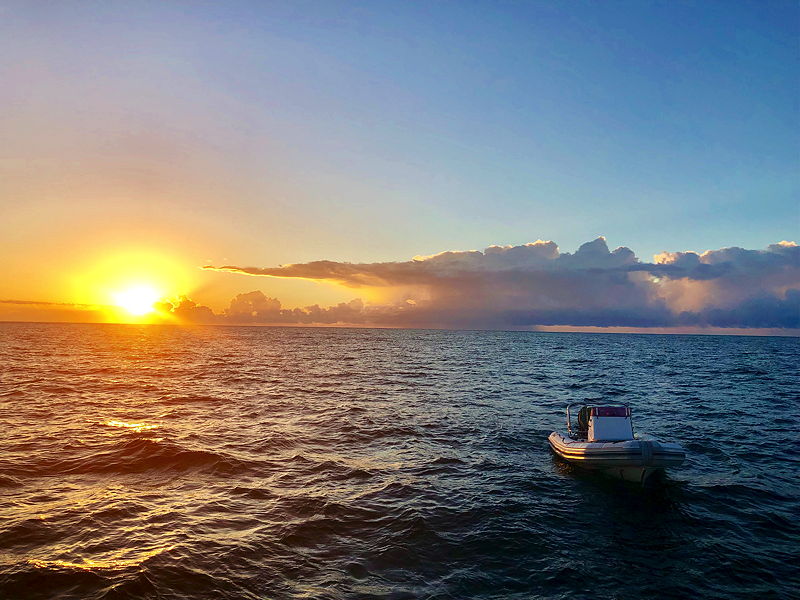
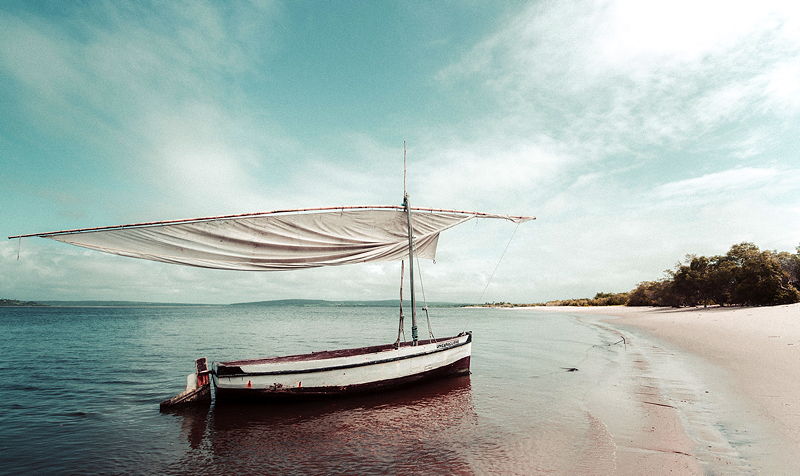


Mozambique may be one of the less visited countries in Sub-Sahran Africa.
But make no mistake, this land of natural beauty is overflowing with reasons the tourist should put it on their bucket list. Mozambique's delights range from paradise islands, to historical forts, natural beauty in National Parks, and cultural experiences in the bustling capital.
Yes, it may be less visited. But this is all the more reason for making the effort to pay it a visit. Here's our list of the five best things to do in Mozambique.
Note: safety conditions vary considerably by region — southern and central Mozambique (including Maputo, Bazaruto and Gorongosa, all covered below) are generally fine for tourism, but northern Cabo Delgado province (including Vamizi Island, also covered below) has experienced an ongoing insurgency since 2017. Always check current UK Foreign, Commonwealth & Development Office (or equivalent) travel advice before planning a trip to any part of the country.
1. Mozambique Island and Fort Sao Sebastian
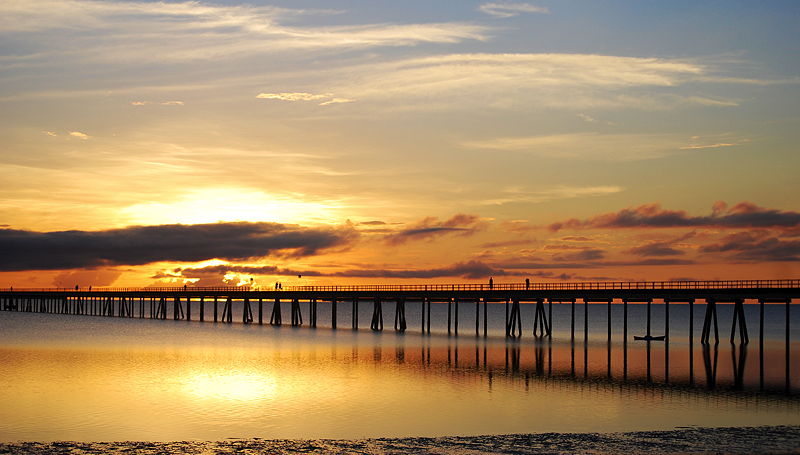
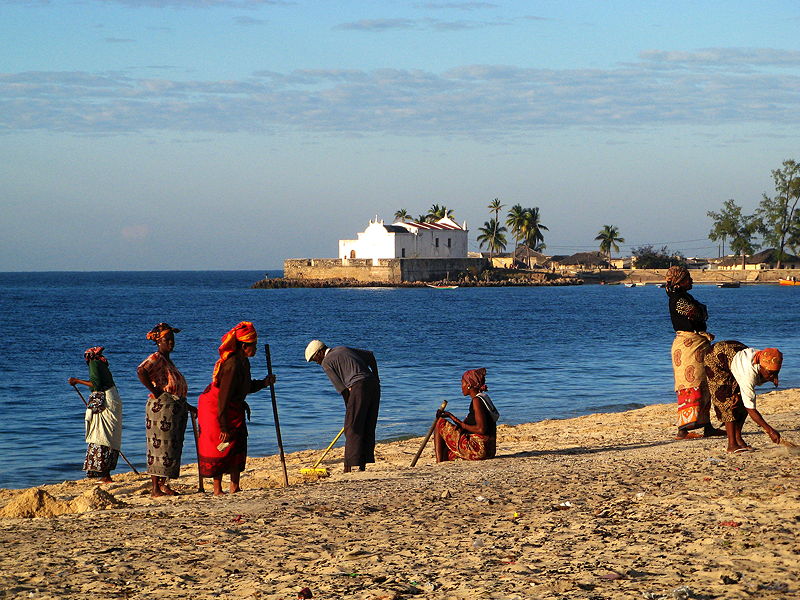
Unlike most islands in Africa, an overladen ferry or expensive airfare is not needed to reach Ilha de Mocambique
This intriguing landmass is connected to the mainland by the 3.8 kilometre Mozambique Island Bridge. It offers a variety of attractions, making it one of the most popular things to do in Mozambique.
Portuguese influence
The remnants of Portuguese occupation in the 16th century can be found in the many parts of the island, from the enchanting facades throughout the towns and villages to the hint of Portuguese influence in the delightful local cuisine.
Strolling through the narrow streets on this island is a most memorable experience, where the sunburnt hues of ancient buildings line the sides and busy locals hurry about their daily business.
Another highlight on the island is the stunning promenade which runs along the coast of Mozambique, a serenely quiet atmosphere accompanies this part of the coast and makes for the perfect place for an early evening stroll as the sun drops and changes the color of Portuguese churches from a light orange to deep red.
Fort Sao Sebastian
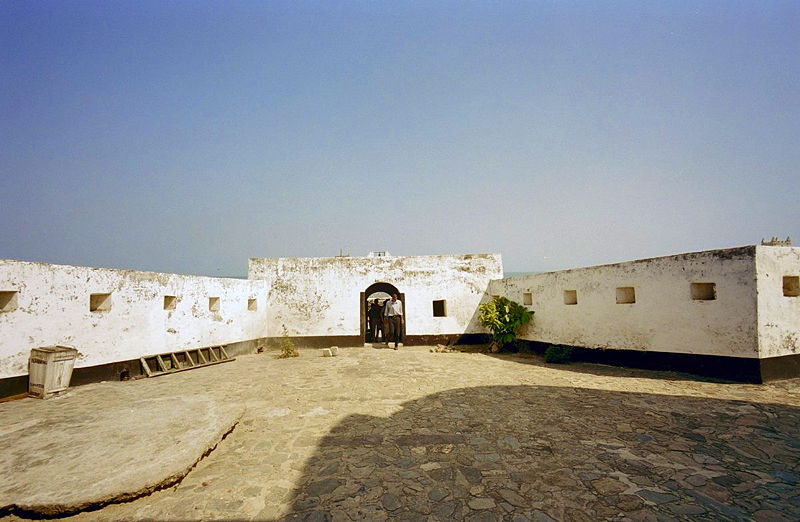
There is one stand out feature of the island which should absolutely not be missed: Fort Sao Sebatian.
Still retaining the original structure, the fort is actually the oldest landmark of its kind in the Southern part of Africa and the unique architecture makes for an immense and spellbinding sight.
This masterpiece took more than 50 years to construct and when you walk the perimeter of the majestic walls which guard it, you can understand why.
Not too far from the fort you can find the ancient Chapel of Nossa Senhora de Baluarte, which is also an awe inspiring sight in its own right and worth checking out when visit Fort Sao Sebastian.
Mozambique Island is of huge cultural importance for the identity of the mainland but it also offers a simply beautiful destination to explore without the tourist crowds you will often find in other popular tourist areas in Africa. Rich in heritage and visually appealing, a visit to this unique part of the world is one of the most interesting things to do in Mozambique.
2. Maputo

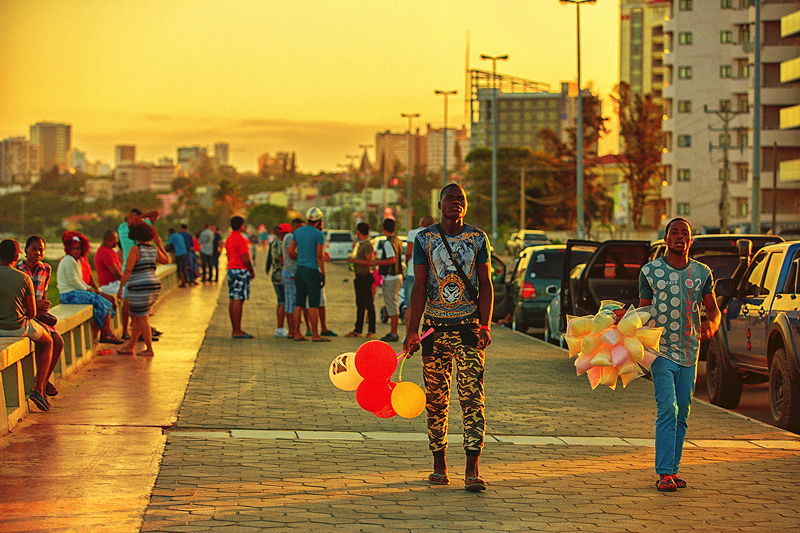
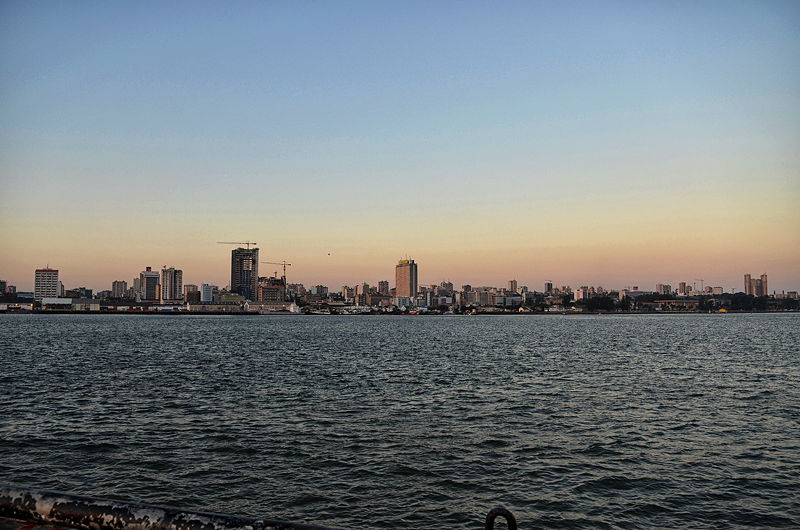
Maputo is the capital and the most developed city of Mozambique. With an almost European ambiance, Maputo's attractions include modern architecture and the bustling centrally located Mesquita da Baixa (the downtown mosque).
Although modern, the gentle pace of the city is certainly part of the nation's cultural identity and Maputo offers up much more than just a chain of luxury hotels, fine restaurants and a warm welcome.
Municipal Market
Take an early morning trip to the Municipal Market where you will find a large variety of spices, vegetables and produce on display. Watching the locals barter and make their sales is a fantastic experience. Even though the crowds can be a little overwhelming, the Municipal Market still offers a unique insight into the daily lives of the locals. If you are in Mozambique during the national holidays, you will be in for a particularly chaotic experience which will leave you mesmerized.
Maputo Train Station
Strange as it may seem, the Maputo Train Station is a major landmark and an incredible feat in terms of architecture. It's popularly said to have been designed by Alexandre Gustave Eiffel (the engineer behind the Eiffel Tower) — in fact, Eiffel never set foot in Mozambique, and the building was actually designed by architects Mário Veiga and Alfredo Augusto Lisboa de Lima, with its distinctive copper dome credited to an associate of Eiffel's firm. The Eiffel connection is a widely repeated (and widely disputed) piece of local lore rather than settled fact, but the marble walls, pillars and attention to detail make this a beautiful spectacle not to be missed either way.
Natural History Museum
And then there is the Natural History Museum, founded more than one hundred years ago. Featuring Manueline architecture, this charming structure is surrounded by luscious gardens and then filled with an endless number of exhibitions, from elephant foetuses to local art painting, ancient fossils to quaint ethnography exhibits.
Maputo is the perfect place to soak up the cultural and historical identity of Mozambique with a large number of art galleries, museums and important landmarks. You can explore nature in the National Parks around the island, enjoy serenity in the paradise islands but to find the real beating heart of the country, you need to keep Maputo at the top of your list of things to do in Mozambique.
3. Bazaruto National Park

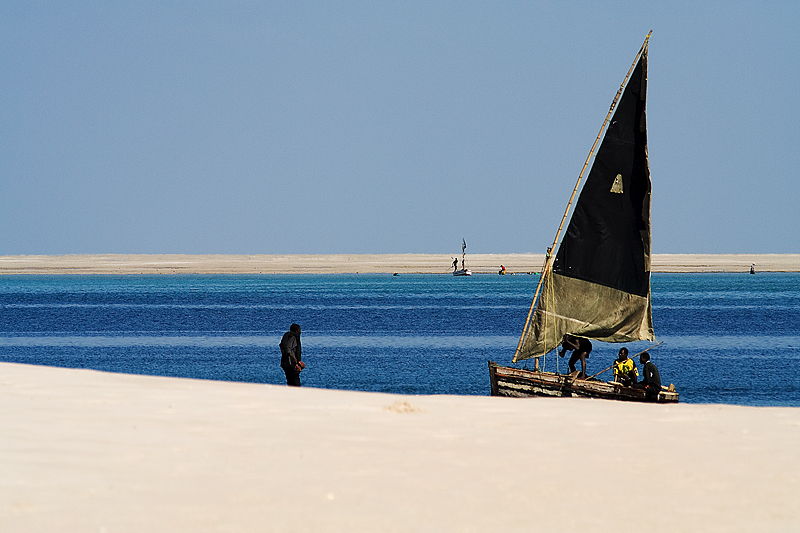
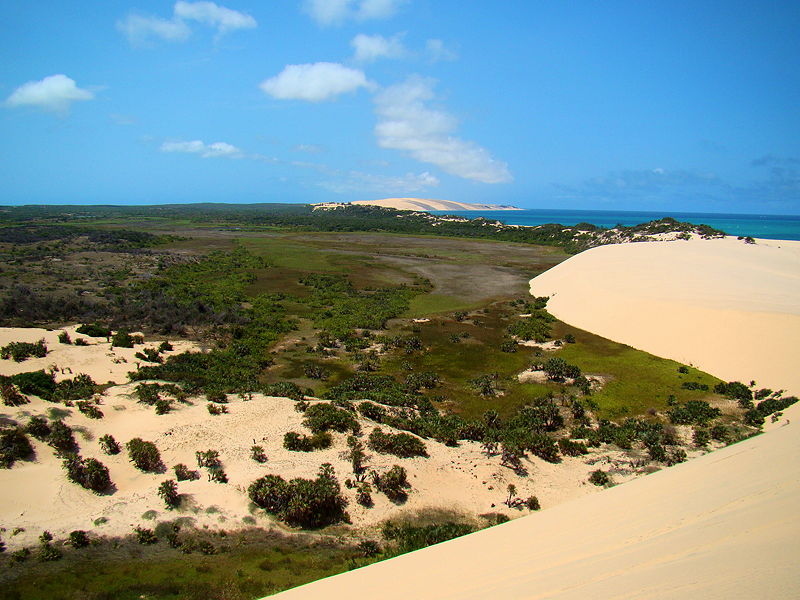
Snorkeling in the “Two Mile Reef” has just got to be one of the most memorable things to do in Mozambique.
Snorkeling
Located in the south of Bazaruto Island, this reef is a protected area of the Bazaruto National Park and promises unrivalled visibility underwater and wonderful seclusion, for fewer tourists are allowed to frequent this area over a particular period.
The depth of the water varies on the reef, ranging from five to twenty meters in sites such as The Arches, Shark Point, North Point, The Boulders, Surgeon Rock, The Drop-off, Cathedral and The Gap. And then there are the breathtaking views of stag horn coral and colorful reef infused with pelagic fish that are sure to leave you speechless.
If you are still unsure of what things to do, an exhilarating ride on a speed boat to Bazaruto Island is always an option and once the tide is just right, you will find a certain calm on the ocean which feels unlike anywhere else.
Bazaruto Island
n the island itself, relaxing on the beach takes no effort at all and there are several local restaurants serving delightful dishes, which are often included in the touristic package should you choose one and depending on the season or the weather, you might also spot some sea turtles and stingrays close to the shoreline.
For those traveling in the month of August, the unique opportunity presents itself to listen to humpback whales thriving in warm waters and getting a close up enroute to Bazaruto National Park is quite a common occurrence.
While the cultural heritage of colonial buildings on the mainland are indeed fascinating, there is also an aspect to an exotic shoreline in which you just want to escape and relax in serenely beautiful surroundings. Bazaruto island is such a place that can offer such an experience, so whether you seek the sands, the snorkeling or the feel of the ocean breeze, a visit to this National Park is a must on your list of things to do in Mozambique.
A note on timing: this stretch of the Mozambican coast (Inhambane province) lies within the Indian Ocean cyclone belt and has been hit by serious storms more than once in recent years, including Cyclone Freddy in March 2023. The cyclone season generally runs from around November to April, with the resorts here having a track record of recovering and reopening after storms; if travelling in that window, check conditions and your chosen lodge's current status closer to the time.
4. Vamizi Island
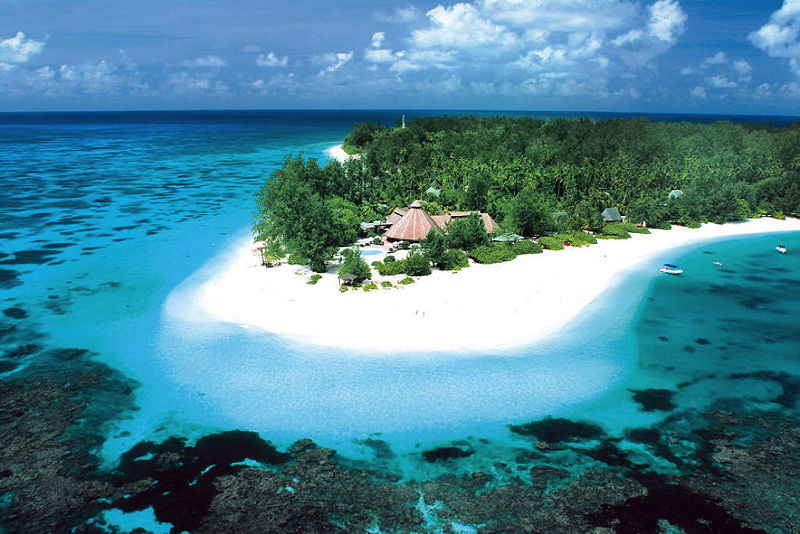
Important safety update: Vamizi Island sits in Cabo Delgado province, northern Mozambique, which has experienced an ongoing insurgency since 2017 — the island itself was directly attacked by insurgents in 2020, and the island's lodge suspended operations in July 2019 and has remained closed since, with no confirmed reopening date at the time of this update. This section is left largely as originally written to describe what the island offers, but please do not plan a trip here without first checking the current UK Foreign, Commonwealth & Development Office (or equivalent) travel advice for Cabo Delgado, and confirming directly with any operator that they are actually open before booking.
Vamizi Island is devastatingly beautiful.
Located on the Qurimbas Archipelago and with white powdered beaches in immaculate condition, the flight to Vamizi island is absolutely worth both the cost and the effort — when the island is open and it is safe to visit.
Vamizi Island is considered one of the best fishing spots in East Africa with a catch pretty much guaranteed each time and no end to which species might be on the end of the line, from tuna to kingfish, wahoo and job fish to barracuda.
If fishing is not your cup of tea, you can till enjoy other water activities such as stand-up paddle boarding, kayaking or dinghy and dhow sailing. And with a little bit of notice, the staff in the island can also organise kite surfing, while there is naturally no end to opportunities to go snorkeling or scuba-diving trips in one of the many beautiful spots of crystal clear water around the island.
Other activities range from taking stroll at sunset or just spending the day on the beach to mountain biking, yoga, walking trails, and running.
Enjoy a fancy meal on an ocean front restaurant where the variety of fish and sea food is staggering and enjoy the local flavors as the sun goes down over a magical paradise. Calm, quiet and spectacular, Vamizi Island may come with a price tag, but the experience will far outweigh the monetary value — again, subject to the safety and reopening caveats above.
5. Parque Nacional Da Gorongosa
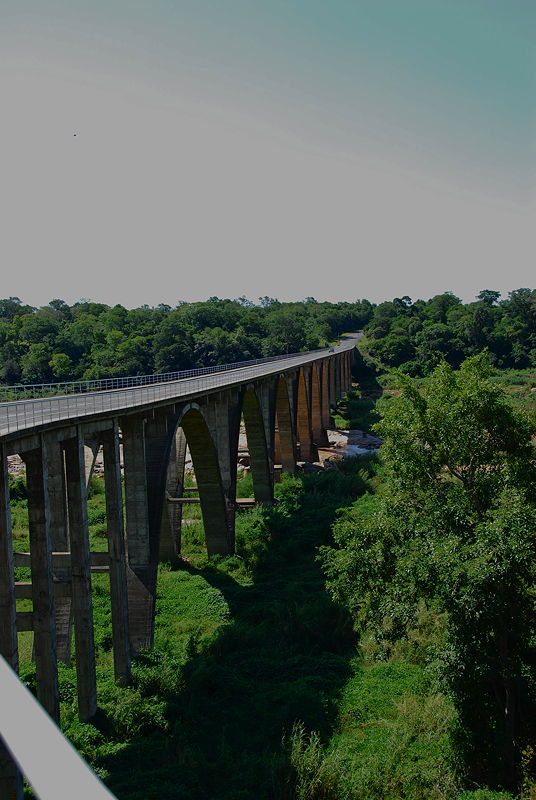
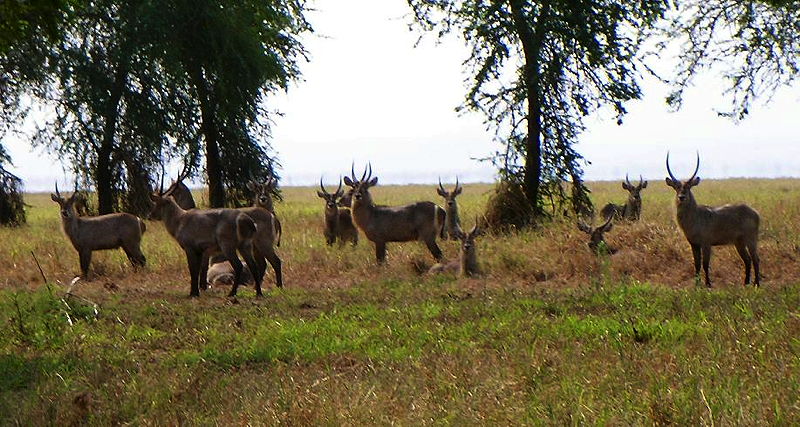
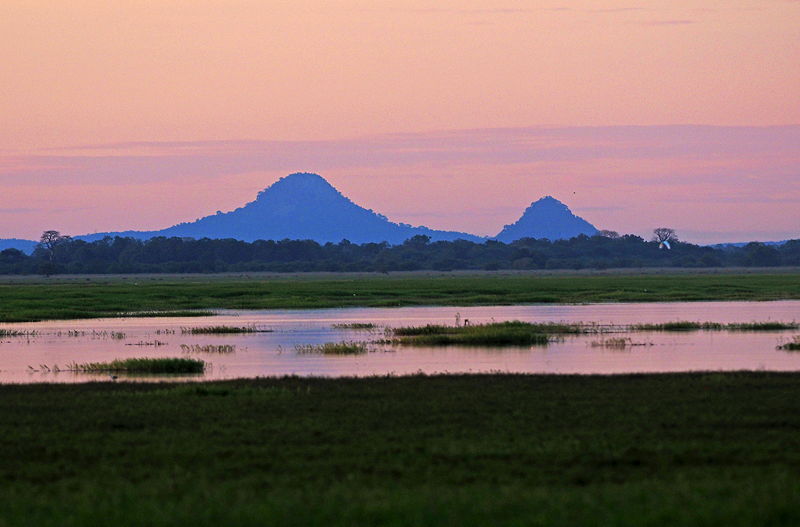
The Gorongosa National Park is home to one of the most exuberant ecosystems in Africa with miles upon miles of Savannah, mountains and waterfalls combined.
Update: Gorongosa's conservation story has continued to go from strength to strength — it won the prestigious BBVA Foundation Worldwide Award for Biodiversity Conservation in 2025 for its remarkable recovery of large-mammal populations, and a new luxury lodge, Royal Gorongosa, has since opened in the park's eastern section. Unlike Vamizi Island (above), Gorongosa is in central Mozambique, well away from the conflict-affected north, and continues to operate normally.
In many ways you could consider this the Eden of Africa, where nature originated and the surroundings seem entirely unspoiled or unaffected by neighboring civilization.
Gorongosa is also one of the most natural parks in Africa natural parks and the location for many conservation projects which are committed to keeping it in pristine condition.
In this sense, the local projects also help provide jobs to local Mozambicans and allows for the National Park to provide many activities, which cater to all ages and activity levels.
Making a trip to the Vinho Community is the perfect way to start a visit, which is an easy two-kilometer walk from the camping site to some authentic rural life in Africa.
Whether you wish to learn about the local culture, interact with the small population here or stroll through cassava fields, the Vinho community will ensure you have an unforgettable experience.
Afterward, you should take a drive to Bué Maria where you can enjoy a breathtaking sunset with a cold beer and marvel at tranquil river as it changes color with the disappearance of the sun. And of course that's not to forget the wildlife in Gorongosa, for the park is a haven for animals and offers ample photograph opportunities for the visitor.
With a huge presence of bird species and exotic animals such as elephant, lion, crocodile, antelope and hippo. Driving into the bush is also an interesting thing to do in Mozambique for the surroundings are so lush and overgrown, it can feel like stepping back in time to another era when civilization was restricted to local caves.
Sunrise is the best time to view the wildlife of course and the entire experience is a suitable compliment to what is already a captivating country to visit.