February/March: Holi
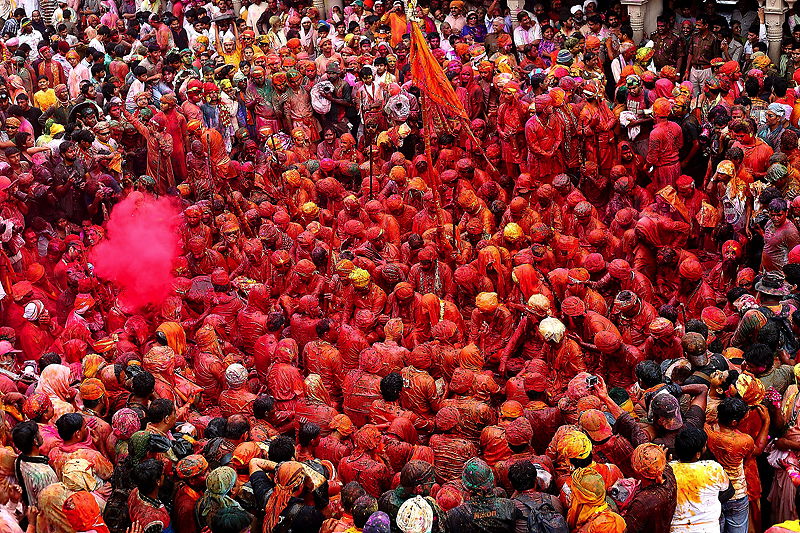
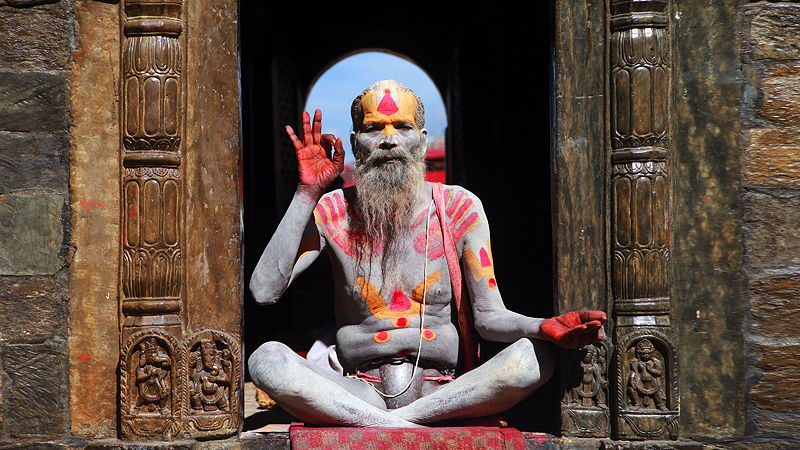
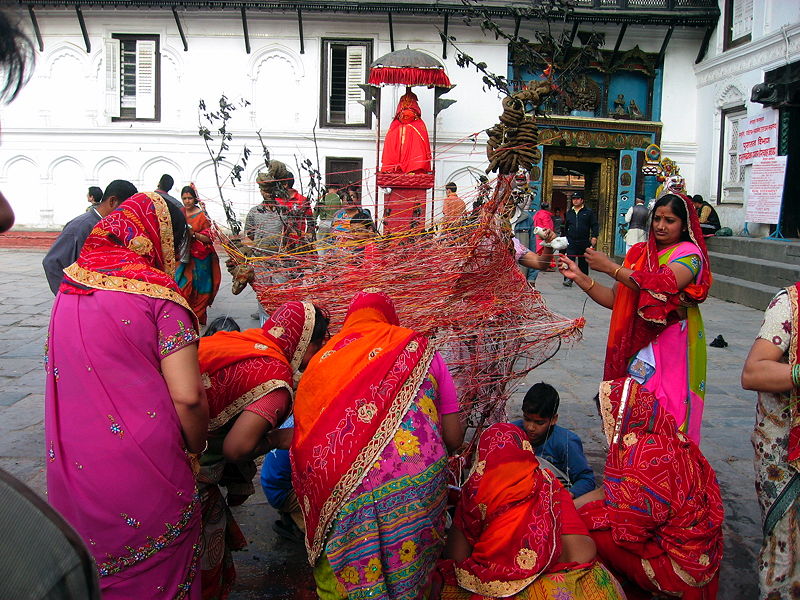
Holi, or the Festival of Colours or Festival of Love, is held in Kathmandu each February or March.
It is best known for riotous scenes of revellers throwing water or coloured powder over one another. This is done in celebration of the end of winter and as a reminder of the cooling monsoon rains to come (usually in July or August).
Holi is a Hindu festival, celebrated at Phalguna Purnima (Full Moon) at the end of winter's last lunar month. It lasts 24 hours: from sunset on the day before the festival (when Holika bonfires are lit around the country, and people congregate to dance and sing) until sunset of the day of the festival.
Be sure to wear old clothes if you are going out: you will not be asked before you are pelted.
Whilst there are usually a few complaints about some locals being overly enthusiastic, the overwhelming majority of people get into the spirit of the festival.
In 2026, Holi fell on 2-3 March in Kathmandu (the Kathmandu Valley and other hill regions celebrate a day before Nepal's low-lying Terai plains). The next Holi will be celebrated in Kathmandu on 13 March 2027, with the Terai region following on 14 March 2027 — check nearer the time, as the exact date depends on the lunar calendar and can shift by a day or two.
April: Bisket Jatra
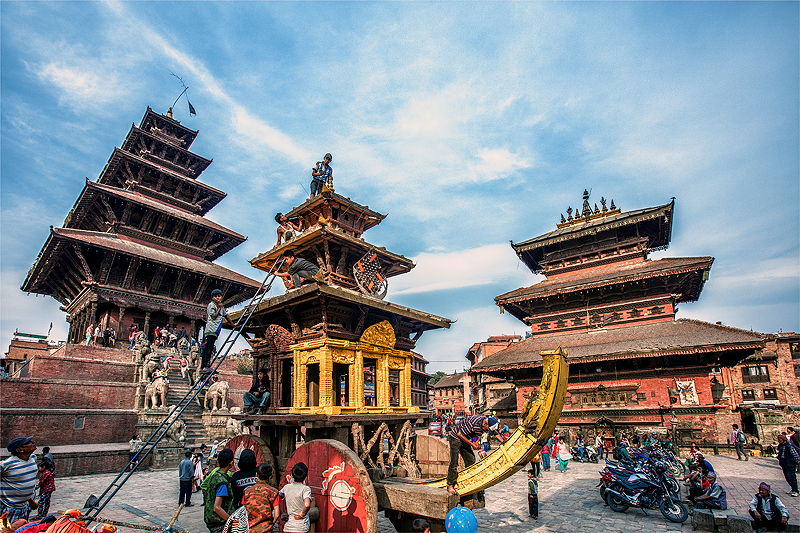
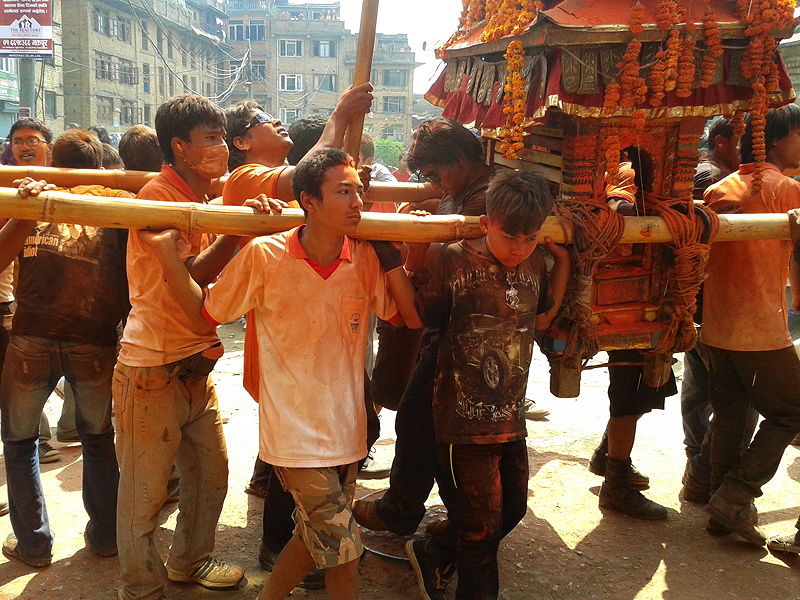
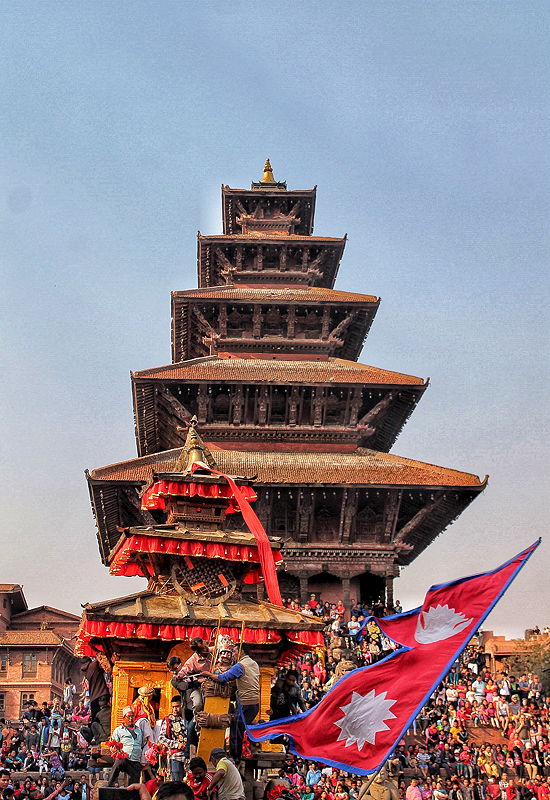
Bisket Jatra is Nepali New Year, celebrated most raucously in Bhaktapur.
The centrepiece of the festival, which takes place in mid-April, is a huge golden chariot which is carried around the town until it reaches the Khalna Tole.
The chariot, carrying images of the god Bhairab, stops on its journey to enable a tug-of-war to take place between the inhabitants of the east and west sides of Bhaktapur.
Once at Khalna Tole, a 25 metre-high phallic symbol is installed on a stone platform; it is demolished the next day in the aftermath of yet another tug-of-war!
The public celebrations are accompanied by private celebrations amongst the population: families convene for up to four days of feasting, with family elders placing tilaka marks (using red tikka powder) on the foreheads their juniors.
Unlike most Nepali festivals, Bisket Jatra follows the solar Bikram Sambat calendar rather than the lunar one, so its date is stable from year to year. In 2026 it ran from 10 to 18 April, spanning the Nepali New Year (Baisakh 1) on 14 April. Expect similar dates in future years — the New Year and festival consistently fall in the 13-15 April window.
May: Kathmandu International Mountain Film Festival (KIMFF)

The Kathmandu International Mountain Film Festival has, since the early 2020s, moved from its traditional early-December slot to late May/early June each year — so if you're planning a December trip expecting to catch it, note that it's no longer on.
The event aims to celebrate the various aspects of mountain life, be they sporting, cultural, environmental or otherwise. Films made in the last three years are eligible for entry, with cash prizes awarded to the winning entries. The festival includes a range of screenings, lectures and workshops. Following the festival, the winning entries are screened in various other towns in Nepal.
Past winners of the KIMFF best film prize include 'Who Will Be A Gurkha' in 2012, and, more recently, 'Butterfly Bhutan' by Sonam Yangzom, which won the Best ICIMOD Mountain Film Award at the 2025 festival.
The Kathmandu International Festival is a member of the International Alliance for Mountain Film, whose members include the Canadian Banff Mountain Film Festival and the Italian Trento Film Festival.
The festival's move away from December happened gradually over the early 2020s (it was still held in December as recently as 2019); in 2016, for instance, the Festival took place between 10 and 14 December so that it coincided with International Mountain Day (a UN event aimed at promoting sustainable development in the mountains). The best film in the international category that year was awarded to Susan Gluth for 'Urmila- My Memory is My Power'.
The 23rd edition of KIMFF (2026) was held from 27 to 31 May at the QFX Chhaya Centre in Thamel, Kathmandu, screening over 50 films from 29 countries. Expect the 24th edition to follow a similar late-May/early-June slot in 2027, though exact dates are usually only confirmed a few months ahead — check kimff.org nearer the time.
September: Indra Jatra
September sees the end of the monsoon season, warm temperatures and lush green everywhere.
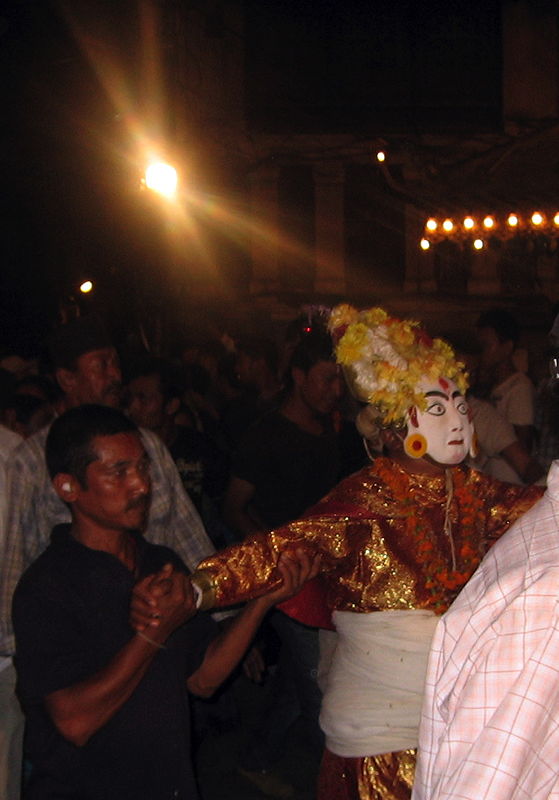
It also sees the Indra Jatra festival (literally, procession of the Lord of the Rain), which combines homage to Indra with the annual appearance of Kathmandu's living goddess.
Indra is one of the chief deities of the Hindu religion, the god of rain and thunderstorms, who wields a lightning rod and rides a white elephant called Airavata.
Kathmandu's living goddess is a young girl chosen from the Kathmandu valley, who lives in the Kumari Bahal temple on Durbar Square. The selection process is rigorous: the child, aged between 2 and 4 years old, can never have had an injury that has drawn blood, and must pass the '32 perfections test' (which assesses things such as the child's horoscope, eye colour and teeth shape).
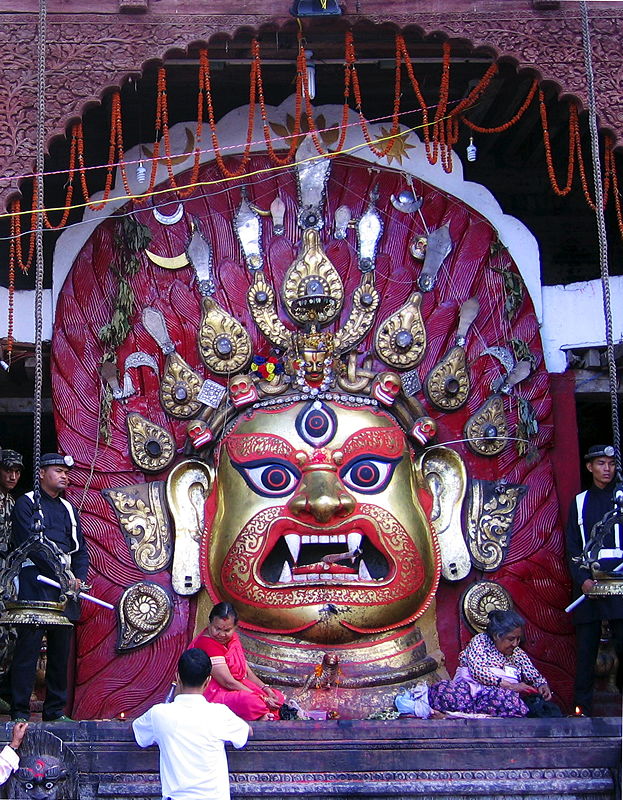
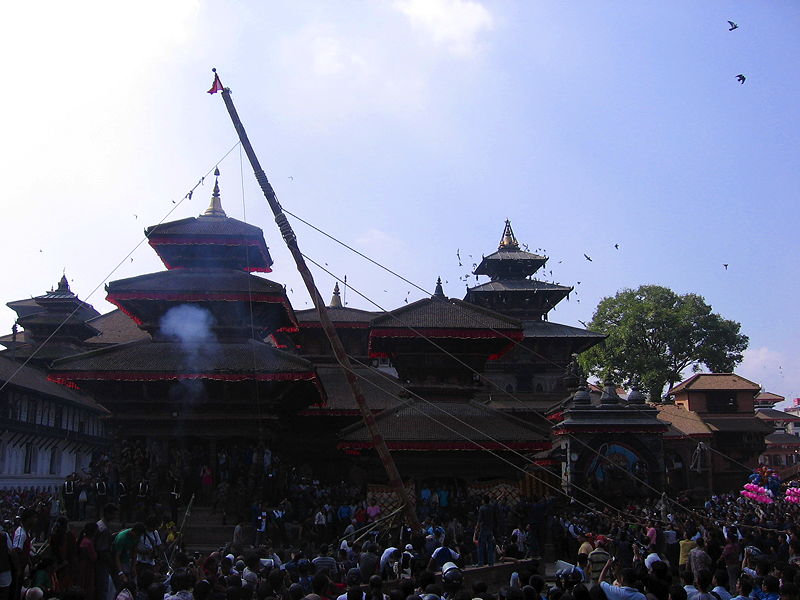
The festival lasts eight days, with most events starting or ending at the Hanuman Dhoka in Kathmandu. It is here that a ceremonial pole (the Linga) is erected, in a ceremony in which the deity Akash Bhairava is represented by a massive mask (pictured).
Indra Jatra 2026 runs as an eight-day festival culminating in the main public holiday on 25 September 2026 — so if you're reading this in September 2026, it's coming up very soon. The festival's timing shifts each year with the lunar calendar, so check closer to your travel dates for future years.
October: Dashain
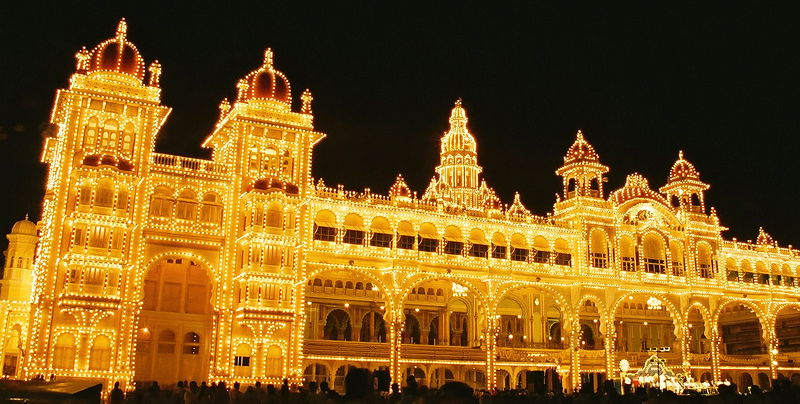
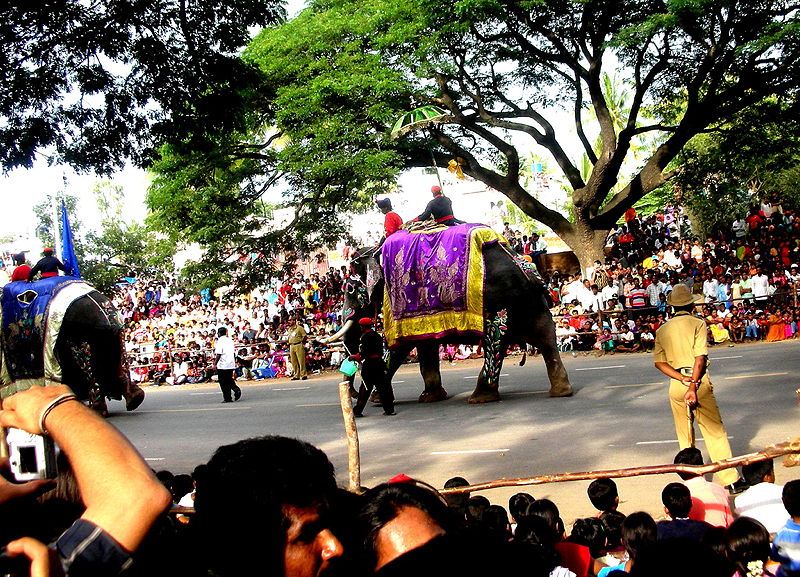
October is peak tourist season, with the skies clear and temperatures comfortable for trekking.
It is also the month in which Nepal's most important festival is held, the 15-day long Dashain celebration. In 2026, Dashain runs from Ghatasthapana on 11 October to the full-moon finale around 25-26 October, with the main Vijaya Dashami (tika) day falling on 21 October 2026; national holidays are typically declared for the week around 17-23 October. As with all these lunar festivals, exact dates shift each year, so check closer to your travel dates.
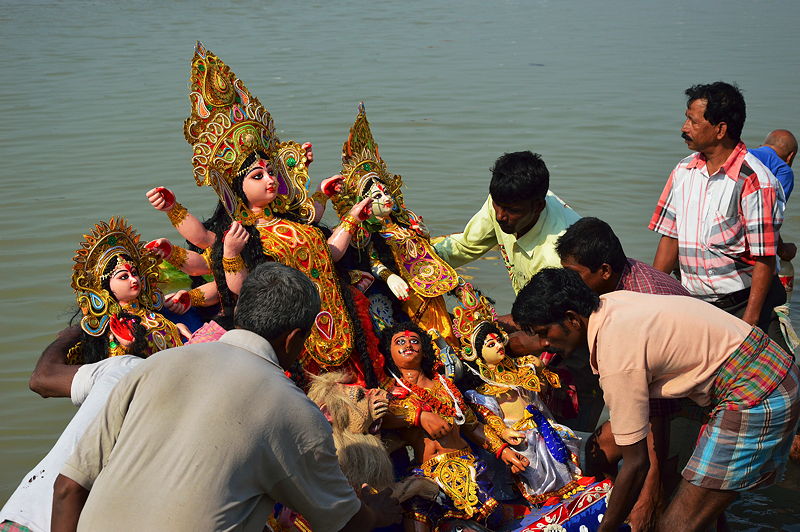
Held during the bright lunar fortnight and ending on the day of the full moon, the Dasain festival celebrates the goddess Durga. Durga, meaning the invincible, is the Goddess of Victory of Good over Evil, and is the most popular incarnation of Devi; her weapons include the trident, discus and lasso.
Durga’s victory over the buffalo demon Mahisasura is symbolised throughout the country by the sacrificing of animals on a vast scale. The sacrifices, of buffalos and goats in particular, are designed to appease the goddess; Nepal Airlines even sacrifices goats on the runway of Kathmandu airport.
Nepalis also erect hundreds of bamboo swings at the entrances to villages. Called ‘ping’ in Nepali, these structures can exceed 20 feet in height and are not for the feint-hearted.
October / November: Diwali
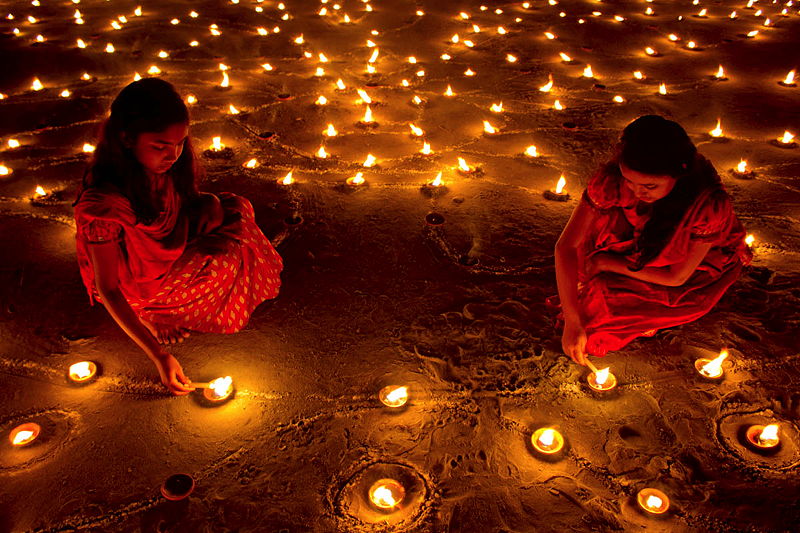
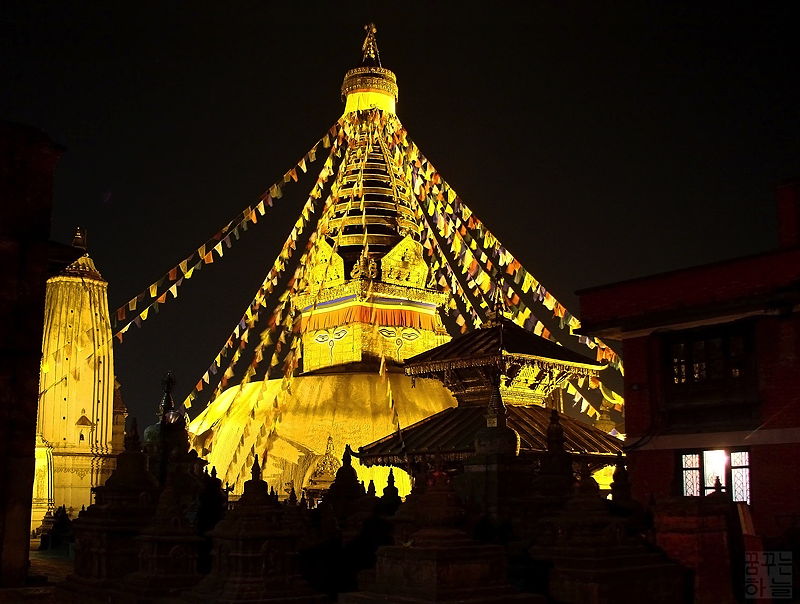
Diwali (aka Deepawali or the Festival of Lights) is the second most important Hindu festival in Nepal.
Celebrated over five days, the festival starts with the honouring of animals such as crows, dogs, cows and bullocks. On the third day, held on the darkest night of the lunar month, the Goddess of Wealth visits every home that has been suitably lit for her presence.
The whole nation is, accordingly, illuminated with small clay lamps filled with oil and candles. The festival is also marked by the bursting of firecrackers, the giving of sweets as gifts and the placing of tikas on foreheads.
In 2026, Tihar (Diwali) runs from 7 to 11 November, with Laxmi Puja — the third and main day, when the Goddess of Wealth is welcomed into homes — falling on 9 November 2026, and the festival closing with Bhai Tika on 11 November. As with Nepal's other lunar festivals, the exact dates move each year, so check closer to your travel dates.
October/November: Mani Rimdu
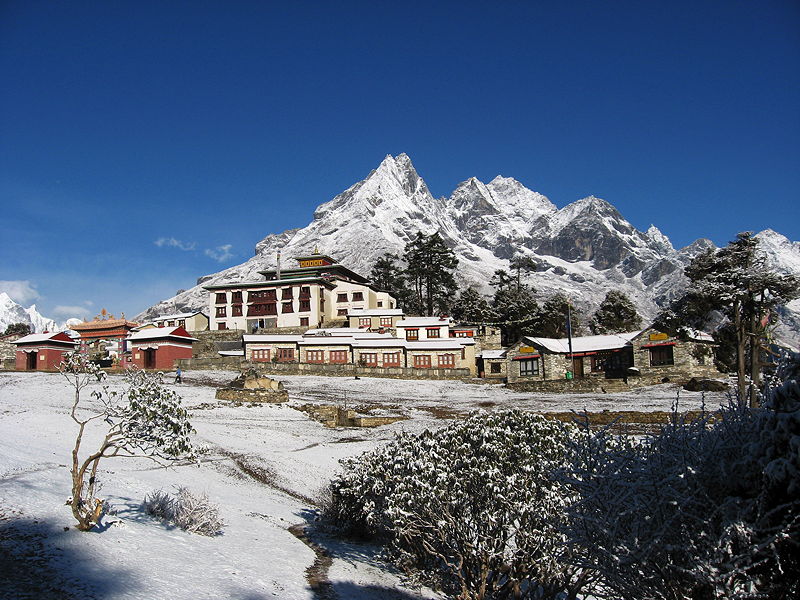
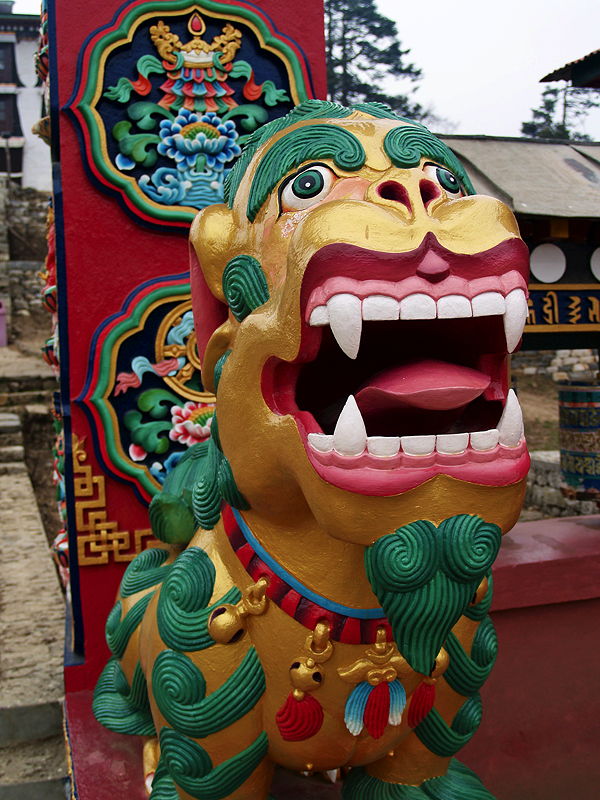
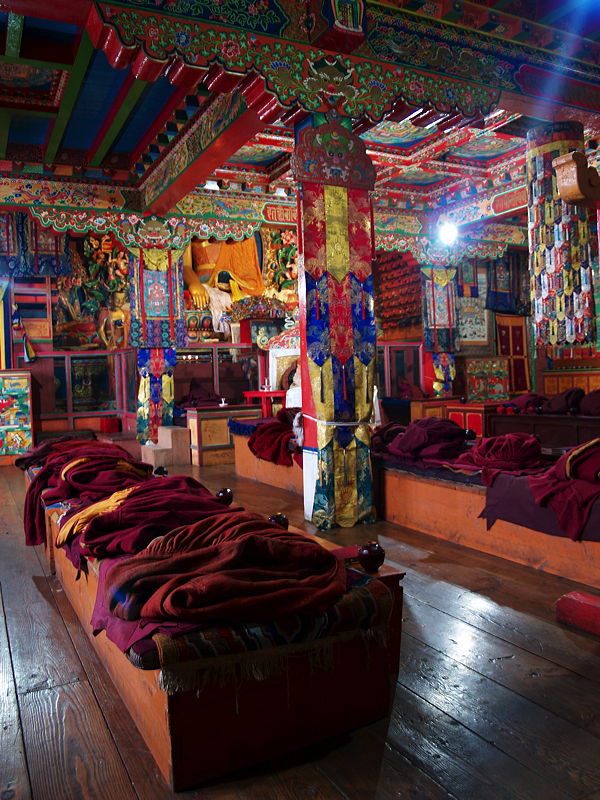
November is another great trekking month, with clear skies and temperatures only starting to drop as December approaches.
Tengboche Monastery (pictured), at 3867 metres, is the centre of Nepal’s Sherpa community. And it is here that the Mani Rimdu festival takes place.
There are three aspects to Mani Rimdu. First, the blessing of red pills during the festival, which are then distributed to those who attend.
Secondly, the creation of a mandala diagram from coloured sand brought from the nearby hills; the diagram takes four days to draw and is the centre point for the next 10 days of the festival. It is removed at the end of the festival, with the monks conducting a fire rite to dispel harm from the world.
Finally, Rimdu involves the monks of Tengboche Monastery performing a masked dance.
In 2026, the public celebrations at Tengboche Monastery are expected in the second half of October (sources put the three main days anywhere from around 24 to 28 October, depending on the monastery's own calendar calculations) — so November is no longer a safe bet for planning your trek. As Mani Rimdu follows the Tibetan lunar calendar, always confirm the exact dates locally or with a trekking agency closer to the time.